 무엇을 찾고 계세요?
韓國 傳統寺刹 造景의 特異 景觀要素 解釋 = Interpretation of specific landscapes at Korean traditional temples
-
저자
-
발행사항
서울 : 고려대학교 대학원, 2022
-
학위논문사항
-
발행연도
2022
-
작성언어
한국어
-
주제어
-
발행국(도시)
서울
-
형태사항
xiii, 163 p. : 삽화 ; 26 cm
-
일반주기명
지도교수: 심우경
참고문헌: p. 149-159 -
UCI식별코드
I804:11009-000000257819
-
DOI식별코드
-
소장기관

This study carried out for the interpretations of landscape elements, such as site locations, temple forests, trees, ponds, and bridges, all of which are unique landscape elements in traditional Korean temple landscaping. Based on data pertaining to temples across South Korea, field surveys were carried out for the detailed archaeological investigations related to the temples and landscape elements and made related interpretations.
The study results were as follows. First, traditional Korean temples are located on the sites of existing indigenous religions, as foreign religions that came through India and China during the Three Kingdoms period. From Samsan Oak(三山五嶽)—where ritual ceremonies have been held for a very long time—megaliths, wells, springs, ponds, and the like have been located. Additionally, spaces and relics that were worshipped by using folk offerings with magical energy have been maintained inside and outside the temple grounds; they are still considered sacred and are protected. Such findings show a fusion of indigenous beliefs, such as the temple’s Sansingak(山神閣) and Garamgak(伽藍閣). The story of the location of the temple can be understood from YeongiSeolhwa(緣起說話), and it expresses the energy, mystery, spirituality, and specialness of the place where the temple is located, such as the pond where the dragon lived, or the place where the high priest flew and sat down.
Second, it was confirmed that the temple forest, which forms the background of the temple, was protected and maintained by monks. The king granted forestland or land to the temple, which was considered particularly precious; the temple forest was protected so that it could continuously supply timber for work related to the king or queen, such as Wondang(願堂) and Taebong(胎封) protection, and used in national ceremonies and the construction of important buildings. The temple has been operating in a position that protects the temple forest; during the Gorye Dynasty, Jiksae(直歲), and after the Joseon Dynasty, the Sangam(山監) protected the temple forest. As a result of these research efforts, when one uses drawing data to examine changes occurring over the past 100 years (i.e., from the Japanese colonial period through to the present), one finds that neither the scope nor the area has changed significantly. Additionally, through photos taken during the Japanese colonial period, one can see that the forest has been degraded due to the use of wood fuel after the late Joseon Dynasty; nonetheless, the Jusan(主山) of the temple, the left Cheongryong(靑龍), the right Baekho(白虎), Ansan(案山), and the trees at the entrance have been preserved. This preservation can be seen as an effort to maintain the Poongsu(風水) function. In addition, under the influence of Zen Buddhism, the natural environment for meditation has been maintained; in particular, the meaning of the pine forest of the temple can be confirmed through several ancient documents related to Zen Buddhism. The pine forest was a means of completing the temple environment and served as a training site, and it was a medium for spreading Buddhist thinking. Moreover, the pine forest—which survives the cold and grows green and luxuriantly—also symbolizes Zen monks who overcame various difficulties and sought to achieve the path of prosperity.
Third, among the Buddhist literature, the Muryang Sutra(無量壽經), the Amitabha Sutra(阿彌陀經), and the Maitreya Sutra(彌勒下生經) contain information about the seven Buddhas in the Pure Land. In Buddhist paintings, there are trees symbolizing the paintings of the Paradise of Amitabha, Buddha’s sermon, Nirvana, and the like, and they are expressed symmetrically. During the field investigation, symmetrical planting(對植) was found to be unusual in terms of their arrangement of temple trees; it is presumed that even those who recently planted trees were cognizant of the appearance of Buddhist scriptures and discord. The appearance of symmetrical planting in the entrance road at the front of the building and in the yard is also common in photos from the Japanese colonial period of temples in China and Japan. Additionally, there is a folktale involving a tree, wherein a monk grew up with a stick in a Korean traditional temple; during the investigation, this tree appeared in 18 places: representative examples include the Songgwang temple hometown tree, Cheonjaam(天子庵) Ssanghyangsu(雙香樹), and the Buseoksa temple Seonbihwa(禪扉花). The folktale tree bears meaning as a cosmic tree that connects the heavens and the earth, and serves as a medium that transmits the meaning of reincarnation (i.e., of a dead tree coming to life), the sacredness of the temple, and the sincerity of connecting with the high priests. Furthermore, the folktale tree tends to be located at the front of a door or structure, which means that it is intended to be conspicuous to temple visitors. The Stick folktale tree is a valuable heritage artifact that has value not only as part of the natural landscape but also as part of the cultural landscape; it also holds status as a sacred natural site.
Fourth, the temple site has appeared as Yeongji(影池), Gyedam(溪潭), and Yeonji(蓮池), and the past appearance and location were newly revealed for the Haeinsa Temple, Chilbulam Temple, and Bulyeongsa Temple sites, none of which had been excavated or organized before now. The purpose of the formation of the sacred site of Bulguksa Temple, which was unclear in character, was determine, and the meaning of Songgwangsa Temple’s Gyedam(溪潭) was established through doctrinal interpretation. In addition, it was confirmed that the Goryeo pond of Silsangsa Temple, discovered in 2014, functioned as a sacred site that projects the Cheonwangbong Peak of Mt. Jirisan. The past appearance of a pond was also confirmed through old documents and photographic materials pertaining to the Baekryeonsa Temple in Gangjin and the Borimsa Temple in Jangheung.
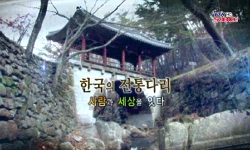
Fifth, the location of the temple bridge‒at a nearby stream‒was chosen so as to prevent the energy of the famous hall from escaping from the temple site; the fact that the bridge crosses the stream is a landscape element. In the Ahamgyeong, the act of crossing a bridge carries for the devotee meditation and Nirvana connotations, and the act of constructing a bridge is called Wolcheongongdeok(越川功德) which is mentioned as the third of the five gifts. Additionally, temple bridges often exhibit an arch bridge formation, in which a semicircle form sometimes reflects in the water and produces a circular shape. The semicircle and circle symbolize Prajna-Paramita-Sutra(般若心經), and the shape-changing from a semicircle to a circle (and the general formation of a circle) seems to play a symbolic role in spreading Buddhism, as seen in the Aham Sutra(阿含經) and Simudo(尋牛圖).
This study explores how traditional Korean temples have created landscapes that focus on mountains, water, and trees, and upon examining several target sites, there were the meaning of various landscape elements bearing religious characteristics. However, since it was not possible to investigate all the temples across the country, it is expected that more cases of unusual landscapes will be confirmed in the future. This part will be covered in a follow-up study.
한국 전통사찰 조경의 특이 경관요소인 입지, 사찰림, 수목, 지당, 다리를 대상으로 경관요소의 해석을 연구하였다. 전국 사찰을 소개한 자료를 바탕으로 현장조사를 실시하고 조사 시 나타난 특이 경관요소를 도출한 뒤 해당 사찰과 경관요소와 관련한 세부적인 고문헌조사를 실시하여 해석을 진행하였다.
연구 결과는 다음과 같다. 첫째, 한국의 전통사찰은 삼국시대 인도와 중국을 거쳐 들어온 외래 종교로서 기존 토착신앙 터에 입지하였다. 예전부터 제사의례를 지내온 삼산오악부터 거석, 우물, 샘, 연못 등이 자리잡고 영험한 기운으로 민간에서 제를 드리며 숭배하던 공간과 경물이 사찰 경내⋅외로 유지되어오고 있으며 지금도 신성하게 여기며 지켜오고 있다. 또한 사찰의 산신각, 가람각 등 토착신앙과 융합되어 있는 모습을 보인다. 사찰연기설화에서도 사찰의 입지에 대한 내용을 파악할 수 있는데 용이 살던 연못, 고승이 새를 날리고 도착하여 앉은 곳 등 사찰이 입지한 장소의 기운과 신비로움, 영험함, 특별함을 표현하였다.
둘째, 사찰의 배경을 이루고 있는 사찰림은 승려들이 보호하고 가꿔왔음을 확인하였다. 특별히 소중하게 여긴 사찰에 왕이 임야 또는 토지를 하사하였으며 원당, 태봉수호 등 왕이나 왕비가 관련된 일을 하거나 국가제사, 중요 건축물 조성 등에 필요한 목재를 지속적으로 충당하기 위해 사찰림을 보호해왔다. 사찰에서 사찰림을 지키키 위한 직책을 운영해 왔는데 고려시대에는 직세, 조선시대 이후는 산감이 사찰산림을 수호하였다. 이러한 노력으로 일제강점기와 현재까지 100여년 간 변화를 도면자료를 통해 비교해봤을 때 그 영역과 면적이 크게 변동되지 않았다. 또한 일제강점기 사진을 통해 조선후기 이후 목재의 연료사용으로 인해 산림이 황폐화 되고 있었지만 사찰의 주산과 좌청룡, 우백호, 안산, 진입로 부분의 수목은 지켜가고 있었음을 알 수 있었다. 이는 풍수적 기능을 유지하기 위한 노력으로도 볼 수 있다. 또한 선종의 영향으로 참선과 수행을 원만히 할 수 있는 자연환경을 지켜왔는데 특히 여러 선종 관련 고문헌을 통해 사찰 소나무림의 의미를 확인할 수 있었다. 소나무림은 사찰환경의 완성과 수행의 방편, 불심 전파의 매개체였으며 추위를 이겨내고 푸르고 울창하게 자라는 소나무림은 여러 어려움을 이겨내고 득도를 이루고자 하는 선승을 상징하기도 하였다.
셋째, 불교문헌 중 무량수경, 아미타경, 미륵상⋅하생경에서 정토세계에 있는 칠보수에 대한 내용이 있으며 불화에는 관경변상도와 부처님의 설법, 열반 등을 상징하는 수목이 있는데 대칭적으로 표현하는 특징이 나타난다. 현장조사 시 사찰 수목이 배치되어 있는 모습중 대식과 열식이 특이하게 나타나며 최근에 식재된 것이라도 불경과 불화의 모습을 의식하며 배식하였을 것으로 추정된다. 일제강점기 사진과 중국, 일본의 사찰에서도 진입로와 건물 전면, 마당에 대칭식재를 하는 모습이 공통적으로 나타났다. 또한 한국전통사찰에는 승려가 지팡이를 꽂아 자라났다는 설화를 가진 수목이 있으며 조사결과 18개소에서 나타났다. 대표적으로 송광사 고향수, 천자암 쌍향수와 부석사 선비화가 있다. 설화 수목은 하늘과 땅을 연결하는 우주목으로서의 의미를 갖고 있으며 죽은 나무가 다시 살아나는 환생의 의미와 사찰의 신성함, 고승과 연결되는 진정성이 작용되는 매개체로 역할을 하였다. 또한 설화 수목은 문이나 건축물의 전면에 위치하는 경향이 있는데 이는 사찰을 방문하는 사람에게 의식적으로 보여주고자 하는 것을 의미한다. 지팡이 삽목설화 수목은 자연경관 뿐만 아니라 문화경관으로서의 가치를 지니고 있는 소중한 유산으로 사찰림과 더불어 자연성지로서의 위상을 갖고 있다.
넷째, 사찰의 지당은 영지, 계담, 연지 등으로 나타나며 지금까지 고문헌자료에 대한 발굴과 정리가 이루어지지 않았던 해인사, 칠불암, 불영사 영지를 대상으로 과거의 모습과 지료를 새롭게 밝혔으며 성격이 불분명하였던 불국사 영지의 조성 목적을 정리하고 교리적해석을 통해 송광사 계담에 대한 의미를 정리하였다. 또한 2014년 발굴된 실상사 고려원지는 지리산 천왕봉을 투영하는 영지로서 기능을 하고 있음을 확인하였다. 그 외에 강진 백련사와 장흥 보림사의 고문헌과 사진자료를 통해 지당의 과거 모습을 확인하였다.
다섯째, 사찰의 다리는 사찰의 입지에서 명당의 기운을 빠져나가지 못하게 하고자 계류가 있는 곳을 택하였는데 그 계류를 건너기 위한 경관요소이다. 아함경에서 다리를 건너는 행동은 수행정진, 열반의 의미를 가지고 있으며 다리를 조영하는 행위는 월천공덕이라하여 다섯가지의 보시 중 세 번째 보시로 언급하고 있다. 사찰의 다리는 홍예교가 많이 나타나는데 홍예교는 반원의 형태로 물에 비치면 원형을 보이기도 한다. 반원과 원형은 반야심경과 바라밀을 상징하며 반원형에서 원형으로 변해가는 모습과 원형을 이룬 모습은 불교에서 아함경과 심우도 등 여러 상징을 통해 불법을 전파하는 역할을 하고 있기 때문으로 보인다.
본 연구는 한국의 전통사찰이 산과 물과 나무를 중심으로 경관을 조성하여 왔으며 종교적인 특성을 가진 경관요소의 의미를 몇몇 대상지를 통해 해석하고자 하였다. 하지만 전국의 모든 사찰을 조사하지 못하였기 때문에 특이 경관에 관한 사례는 추후 더 많이 확인될 것으로 보이며 후속 연구로 남기고자 한다.
- Ⅰ. 서론 2
- 1. 연구의 배경과 목적 2
- 2. 용어의 정의 3
- Ⅱ. 연구사 6
- 1. 한국 전통사찰의 입지(立地)에 대한 선행연구 6
- 2. 사찰림(寺刹林)에 관한 선행연구 8
- 3. 사찰의 조경 및 수목에 관한 선행연구 10
- 4. 사찰의 지당에 관한 선행연구 12
- 5. 사찰의 다리[橋梁]에 관한 선행연구 14
- Ⅲ. 연구의 범위 및 방법 17
- 1. 연구범위 17
- 2. 연구방법 18
- Ⅳ. 한국 전통사찰 조경의 자연경관요소 특성 22
- 1. 한국 전통사찰의 입지(立地) 22
- 1) 경관구성 22
- 2) 토착신앙(土俗信仰) 23
- 3) 풍수지리(風水地理) 26
- 4) 불교사상적 요인 28
- 2. 사찰림(寺刹林) 29
- 1) 사찰림의 정의 29
- 2) 사찰림의 기능 29
- 3) 시대별 사찰림 관련 자료 33
- 4) 선종(禪宗) 관련 자료에 나타난 소나무림의 의미 44
- 3. 불교 관련 자료에 나타난 수목 50
- 1) 정토 관련 경전에서 살펴본 수목[寶樹]의 묘사 51
- 2) 불교 관련 문헌에 나타나는 수목 53
- 3) 불화(佛)를 통해 본 수목의 내재적 의미 55
- 4) 사찰 내 대칭식재 유형 57
- 5) 일제강점기 사찰 식재 유형 61
- 6) 중국, 일본 사찰의 대칭식재 61
- 4. 지팡이 삽목(揷木) 설화 전승 수목 63
- 1) 지팡이 삽목설화와 그 의미 67
- 2) 수목의 위치에 따른 경관해석 70
- 3) 한암(漢岩)의 지팡이 삽목설화 전승 양상 70
- 4) 지팡이 삽목 설화 전승 수목의 가치와 관리 73
- 5. 소결 74
- Ⅴ. 한국 전통사찰 조경의 문화경관요소 특성 78
- 1. 지당(池塘) 78
- 1) 합천 가야산 해인사(陜川 伽倻山 海印寺) 78
- 2) 하동 지리산 칠불사(河東 智異山 七佛寺) 81
- 3) 울진 천축산 불영사(蔚珍 天竺山 佛影寺) 85
- 4) 경주 토함산 불국사(慶州 吐含山 佛國寺) 87
- 5) 남원 지리산 실상사(南原 智異山 實相寺) 93
- 6) 순천 조계산 송광사(順天 曹溪山 松廣寺) 95
- 7) 순천 조계산 선암사(順天 曹溪山 仙巖寺) 106
- 8) 장성 백암산 백양사(長城 白巖山 白羊寺) 113
- 9) 강진 만덕산 백련사(康津 萬德山 白蓮寺) 116
- 10) 장흥 가지산 보림사(長興 迦智山 寶林寺) 117
- 11) 양산 영축산 통도사(梁山 靈鷲山 通度寺) 119
- 2. 다리[橋梁] 126
- 1) 다리의 의미 126
- 2) 홍예교의 도형적 의미 131
- 3. 소결 134
- Ⅵ. 결론 137
- 참고문헌 140
- 국문초록 151

- 1 김두재, "아암유집", 서울: 동국대학교출판부, 2015
- 2 한국불교연구원, "∙ 불국사", 서울: 일지사, 1974
- 3 혜우, "∙ 선암사", 전남: 풍경소리, 1994
- 4 남도불교문화연구회, 승주군, "∙ 선암사", 광주: 도서출판 미주, 1992
- 5 이계표, 최인선, 천득염, "∙ 선암사", 서울: 주식회사 대원사, 2000
- 6 손영식, "∙ 옛 다리", 서울: 대원사, 1990
- 7 박대재, 최광식, 최광식, 최광식, 박대재, 박대재, "삼국유사 1", 서울: 고려대학교출판부, 2014
- 8 이종찬, "∙ 초의집 1", 서울: 동국대학교 동국역경원, 2010
- 9 석명정, "삼소굴일지", 경기: 도서출판 해뜸, 1985
- 10 대한불교조계종 포교원, "한국불교사", 서울: 조계종출판사, 2011
- 11 양광식, "∙ 白蓮寺志", 전남: 강진문헌연구회, 1998
- 12 김봉렬, "∙ 불교건축", 서울: 솔출판사, 2004
- 13 백련선서간행회, "∙ 선림보전", 서울: 장경각, 1988
- 14 박대재, 최광식, "∙ 삼국유사 2", 서울: 고려대학교출판부, 2014
- 15 이은봉, "∙ 역 성과 속", 경기 파주: 한길사, 1998
- 16 임혜봉, "∙ 종정열전 1", 서울: 문화문고, 2010
- 17 이은봉, "∙ 종교형태론", 경기 파주: 한길사, 1996
- 18 주남철, "∙ 한국건축사", 서울: 고려대학교출판부, 2010
- 19 송백운, "보림사 사적기", (광주일보)향토문화보 5: 12-15, 1983
- 20 정동오, "• 한국의 정원", 서울: 민음사, 1986
- 21 (재)불교문화재연구소, (재)불교문화재연구소, "남원 실상사 Ⅰ.", ∙ (재)불교문화재연구소 남원 실상사 Ⅰ, 2016
- 22 정재훈, "• 한국전통조경", 서울: 도서출판 조경, 2005
- 23 국립중앙박물관, "∙ 고려불화대전", 서울: 국립중앙박물관, 2010
- 24 한암대원, "∙ 반야심경주해", 서울: 현대불교신문사, 2006
- 25 이태원, "정토삼부경 개설", 서울: 도서출판 운주사, 1995
- 26 국립국어원, "표준국어대사전.", ∙ 국립국어원 표준국어대사전, null
- 27 등도해치랑, "∙ 조선건축사론", 서울: 경인문화사, 1969
- 28 IFLA한국조직위원회, "∙ 한국전통조경", 서울: 도서출판조경, 1992
- 29 서재영, 서재영, "∙ 선의 생태철학", 서울: 동국대학교출판부, 2007
- 30 전영우, "∙ 송광사 사찰숲", 서울: 모과나무, 2019
- 31 김희태, 최인선, "∙ 양기수 보림사", 서울: 학연문화사, 2002
- 32 문재현, "∙ 전등록 1. 도원", 서울: 바로보인, 1995
- 33 문재현, 문재현, 문재현, "∙ 전등록 2. 도원", 서울: 바로보인, 1995
- 34 신대현, "∙ 조계산 송광사", 서울: 대한불교진흥원, 2010
- 35 최창조, "∙ 터잡기의 예술", 서울: 민음사, 1992
- 36 전영우, "∙ 한국의 사찰숲", 서울: 모과나무, 2016
- 37 세계조경가협회 한국조직위원회, "∙한국 전통 조경", 서울: 도서출판 조경, 1992
- 38 김명배, "∙ 조선의 차와 선", 서울: 보림사, 1991
- 39 정동오, "• 동양조경문화사", 전남: 전남대학교출판부, 1990
- 40 한국전통조경학회, "∙ 동양조경문화사", 서울: 대가, 2016
- 41 신영훈, "∙ 석불사․불국사", 서울: 조선일보사, 1998
- 42 문명대, "∙ 한국불교미술사", 서울: 한언, 2007
- 43 정동오, "• 전남의 조경문화", 전남: 전남대학교출판부, 1988
- 44 권중서, 권중서, "∙ 불교미술의 해학", 서울: 불광출판사, 2010
- 45 정기호, "∙ 신륵사의 입지성", 사찰조경연구 9: 19-46, 2002
- 46 하혜역, "∙ 연담대사 임하록", 서울: 동국대학교출판부, 2020
- 47 장휘옥, "∙ 정토불교의 세계", 서울: 불교시대사, 1996
- 48 임영주, 임영주, "∙ 한국의 전통문양", 서울: 대원사, 2004
- 49 이상윤, 홍광표, 홍광표, 이상윤, "∙ 한국의 전통조경", 서울: 동국대학교출판부, 2001
- 50 李智冠, "∙ 伽倻⼭ 海印寺誌.", 1992
- 51 원행, 원행, "∙ 눈썹 돌리는 소리", 서울: 에세이스트사, 2015
- 52 조선총독부, "∙ 조선고적도보 4권", 동경: 조선총독부, 1916
- 53 김월운, "∙조당집 1. 한정, 균", 서울: 동국역경원, 2008
- 54 김월운, "∙조당집 2. 한정, 균", 서울: 동국역경원, 2008
- 55 산림청, 산림청, "사찰림 임야 임상도.", ∙ 산림청 사찰림 임야 임상도, 2011
- 56 조선총독부, 조선총독부, "∙ 조선고적도보 12권", 동경: 조선총독부, 1932
- 57 최법혜, 최법혜, "고려판 선원청규역주", 서울: 사)가산불교문화원구원출판부, 2001
- 58 심우경, 최진아, 안정록, "지구환경보전과 신앙", 서울: 미세움, 2015
- 59 김래성, 김래성, "∙ 불국사의 가람배치", 동국대학교 석사학위논문, 2014
- 60 월운, "∙ 연담대사임하록 외", 서울: 동국대학교부설동국역경원, 1997
- 61 홍광표, "∙ 한국의 전통수경관", 서울: 태림문화사, 2001
- 62 김상현, 김상현, "∙신라의 사상과 문화", 서울: 일지사, 1999
- 63 장흥문화원, "∙ 역주 보림사 중창기", 장흥: 도서출판 무돌, 2001
- 64 정성본, 정성본, "∙ 임제어록. 임제의현", 서울: 한국선문화연구원, 2003
- 65 강봉진, "∙ 한국의 건축과 예술", 서울: 산업도서출판공사, 1990
- 66 자현스님, "∙ 사찰의 상징세계 上", 서울: 불광출판사, 2012
- 67 윤경혁, "∙ 대한차문화자료집성", 서울: 이른아침, 2011
- 68 민경현, "∙ 숲과 돌과 물의 문화", 서울: 예경, 1998
- 69 문화공보부 문화재관리국, 문화공보부 문화재관리국, "불국사복원공사보고서.", ∙ 문화공보부 문화재관리국 불국사복원공사보고서, 1976
- 70 김일림, "∙ 전통산사의 입지조건", 한국의 전통산사 세계유산 등재를 위한 국내학술회의 자료집. pp.34-60, 2014
- 71 조선불교중앙교무원, "∙ 조선사찰 삼십일본산", 부산: 민족문화, 2006
- 72 김광식, "∙ 그리운 스승 한암스님", 서울: 민족사, 2006
- 73 김성숙, "∙ 백련사의 차문화 연구", 동국대학교 불교대학원 석사학위논문, 2013
- 74 임주훈, "∙ 사찰림의 가치와 문화", 숲과 문화 26(3): 9-12, 2017
- 75 원순, "∙ 초발심자경문. 자경문", 서울: 법공양, 2010
- 76 성보문화재연구원, 성보문화재연구원, "∙ 한국의 불화 명품선집", 서울: 성보문화재연구원, 2007
- 77 홍사성, "∙ 한권으로 읽는 아함경", 서울: 불교시대사, 2009
- 78 한국의전통산사세계유산등재추진위원회, "선암사 사찰기록 자료집.", ∙ 한국의전통산사세계유산등재추진위원회 선암사 사찰기록 자료집, 2016
- 79 송광사성보박물관, "∙ 역사사진전 1 藤谷丙烈", 순천: 송광사 성보박물관, 2009
- 80 송광사성보박물관, "∙ 역사사진전 2 活龍正洙", 순천: 송광사 성보박물관, 2009
- 81 김현준, "∙ 전통사찰총서 강원도 2", 서울: 사찰문화연구원 출판부, 1992
- 82 장용순, "∙ 한국 사찰의 지당 연구", 동국대학교 박사학위논문, 2016
- 83 심현용, 최선일, 여학, "∙문헌 속 울진 불영사 上", 서울: 도서출판 온샘, 2021
- 84 이상섭, 한성욱, 하도겸, 조용헌, 조명제, "조계산송광사사고의 역주", 한국연구재단 연구과제 보고서, 2008
- 85 이상윤, 홍광표, "∙ 불국사 조경의 제 문제", 사찰조경연구 7: 61-78, 1999
- 86 송재소, 조창록, 이규필, "∙ , 한국의 차 문화 천년 6", 파주: 돌베개, 2014
- 87 임재해, "우리산림의 인문학적 자산", 서울: 민속원, 2013
- 88 유홍준, "∙ 나의 문화유산 답사기 3", 서울: 창비, 2011
- 89 김갑기, "∙ 조선후기 사찰제영시고", 한국어문학연구학회 한국어문학연구 48: 55-85, 2007
- 90 숲과문화연구회, "∙ 강진 백련사 동백나무숲", 숲과 문화 22(3): 6-9, 2013
- 91 보조국사 열반 800주년 기념사업회, "∙ 보조국사의 생애와 사상", 전남: 불일출판사, 2011
- 92 김봉건, "∙ 불국사복원에 관한 고찰", 사찰조경연구. 7(1): 1-16, 1999
- 93 한암대종사법어집편찬위원회, "∙ 한암일발록 하권 자료편", 강원: 오대산월정사ㆍ한암문도회, 2010
- 94 이병희, "∙ 고려시기 사원경제 연구", 서울: 경인문화사, 2009
- 95 장흥군, 장흥문화원, "∙ 사진로 보는 장흥 100년사", 장흥: 장흥군, 1995
- 96 홍광표, "∙ 사찰의 연지에 관한 연구", 사찰조경연구 5, 1997
- 97 정민, "∙ 새로 쓰는 조선의 차문화", 파주: 김영사, 2011
- 98 한상길, "∙ 조선 후기 불교와 사찰계", 서울: 경인문화사, 2006
- 99 김탁, 조명제, 정용범, 정미숙, "∙조계산송광사사고 산림부", 서울: 혜안, 2009
- 100 敦煌硏究院, 敦煌硏究院, 敦煌硏究院, "敦煌石窟全集: 阿彌陀經畫卷", 香港: 商務印書館., 2002
- 101 성동환, 조성호, "∙ 구산선문 사찰의 입지 연구", 사회과학연구 5: 1-25, 1998
- 102 홍광표, "∙ 불국사 연지에 관한 일고찰", 한국전통조경학회지 12(2): 75-82, 1994
- 103 전영우, "∙ 사찰림의 형성 유래와 기능", 산림과학 21: 1-15, 2009
- 104 최상범, "∙ 한국 사찰 조경에 관한 연구", 동국대대학원연구논집 7: 177-197, 1977
- 105 김규원, 심우경, "∙ 한국 사찰림의 현황 및 과제", 한국조경학회 춘계학술대회 논문집, 2016
- 106 황인규, "∙ 수선사 16국사의 위상과 추념", 보조사상 34: 87-121, 2010
- 107 홍광표, "∙ 신륵사 공간구성의 원형해석", 사찰조경연구 9, 2002
- 108 손광섭, "∙ 천년 후, 다시 다리를 건너다", 서울: 이야기꽃, 2003
- 109 최광식, "∙ 한국 고대의 토착신앙과 불교", 서울: 고려대학교출판부, 2007
- 110 권태철, 홍광표, "∙ 한국 전통사찰의 인공지 연구", 한국조경학회지 27(2): 80-94, 1999
- 111 박은경, 정은우, "서 일본지역 한국의 불상과 불화", 부산: 민족문화, 2008
- 112 성균관대학교박물관, "∙ 경주 신라 유적의 어제와 오늘", 서울: 성균관대학교박물관, 2007
- 113 김갑기, "∙ 문화공간으로서의 사찰제영시", 한국사상과 문화 35: 243-261, 2006
- 114 국사편찬위원회, "∙ 불교미술, 상징과 염원의 세계", 서울: 두산동아, 2007
- 115 김만수, "∙ 한국 가람의 연지에 대한 고찰", 중앙승가대학교 석사학위논문, 2016
- 116 김봉렬, "∙ 가보고 싶은 곳 머물고 싶은 곳", 파주: 컬처그라퍼, 2011
- 117 김탁, 조명제, 정용범, 원경, "∙ 역주 조계산송광사사고 인물부", 서울: 혜안, 2007
- 118 전영우, "∙ 비우고 채우는 즐거움, 절집 숲", 서울: 운주사, 2011
- 119 양상현, "∙ 송광사 가람배치의 교리적 이해", 기초조형학연구 11(5): 261-268, 2010
- 120 김규원, 심우경, "∙ 사찰 홍예교에 내재된 의미 고찰", 한국전통조경학회 춘계학술대회 논문집, 2013
- 121 허균, "∙ 사찰장식 그 빛나는 상징의 세계", 서울: 돌베게, 2000
- 122 전영우, "∙ 송광사 사찰림 연구와 고경 스님", 숲과 문화 28(3): 37-39, 2019
- 123 정우택, "∙ 한국 정토신앙 관련 문화재 현황", 전자불전 13: 27-62, 2011
- 124 사찰생태연구소, "우리나라 절집의 불교경전 속 식물.", ∙ 사찰생태연구소 우리나라 절집의 불교경전 속 식물, 2012
- 125 전택부, "∙ 지팡이와 나그네, 그 성서적 의미", 기독교사상 461: 125-129, 1997
- 126 유주한, 홍광표, 이동훈, "∙삼보사찰의 조경식물 및 식재특성", 한국조경학회지 38(1): 119-128, 2010
- 127 국립문화재연구소, "천연기념물 수림지 조사 연구보고서", ∙ 국립문화재연구소 천연기념물 수림지 조사 연구보고서, 2008
- 128 김일림, "∙ 서울의 전통사찰 입지와 경관특성", 문화역사지리 7: 113-126, 1995
- 129 순천대학교박물관, "가지산 보림사 정밀지표조사 보고서.", 가지산 보림사 가지산 보림사 정밀지표조사 보고서, 1995
- 130 김일림, "경기도 불교사찰의 입지와 경관 특성", ∙ 김일림 경기도 불교사찰의 입지와 경관 특성。 한국사진지리학회지 24(3): 165-176, 2014
- 131 김규원, 심우경, "∙ 순천 송광사 계담 일원의 경관해석", 한국전통조경학회 춘계학술대회 논문집, 2014
- 132 김일림, "한국불교사찰의 입지유형과 경관구성", ∙ 김일림 한국불교사찰의 입지유형과 경관구성 동국대학교 데학원 박사학위논문, 1999
- 133 전영우, "∙ 우리가 정말 알아야할 우리 소나무", 서울: 현암사, 2004
- 134 김용태, "∙ ‘부휴계’의 계파인식과 보조유풍", 보조사상 25: 315-359, 2006
- 135 정용범, 조명제, "∙ 송광사사고의 편찬과정과 자료가치", 지역과 역사. 19: 267-296, 2006
- 136 최병택, "∙ 일제하 사찰 소유 임야 관리의 실태", 사학연구 114: 125-159, 2014
- 137 노재현, "∙ 통도팔경의 경관상징성과 서사구조", 한국전통조경학회지 28(1): 27-37, 2010
- 138 문지영, "∙ 상상 그 이상, 조선시대 교량의 비밀", 서울: 씨아이알, 2012
- 139 한양대학교박물관, "∙ 한국건축문화재 복원과 창조의 경계", 한양대학교박물관 기획특별전 도록, 2012
- 140 홍광표, "∙ 한국전통사찰의 수경관에 관한 연구", 불교학보 32, 1995
- 141 ∙ 강진군청 문화관광과, "민중불교 운동의 본거지 만덕산 백련사", 전남: 강진군청, 2006
- 142 권뇌택, 이상식, "∙ 한국 사찰림의 풍치조성에 관한 연구", 인문 사회 자연과학편 논문집 14: 331-347, 1975
- 143 문화재청, "수림지 천연기념물 실태조사 종합보고서", ∙ 문화재청 수림지 천연기념물 실태조사 종합보고서, 2008
- 144 김규원, 심우경, "∙ 사찰 내 수목 대칭식재의 내재적 의미", 한국전통조경학회 추계학술대회 논문집, 2013
- 145 임주훈, "∙ 사찰의 숲과 나무(신원섭편, 숲과종교)", 서울: 수문출판사, 1999
- 146 김상태, 황종국, 황종국, 장헌덕, 장헌덕, 김소정, 김소정, 김상태, "∙ 불국사 조영에 보이는 정토사상의 요소", 대한건축학회지회 연합회 학술발표대회논문집. 2011(1): 487-494, 2011
- 147 김근섭, "∙ 조선시대 전통교량의 건설에 관한 연구", 한국도시행정학회 도시행정학보 4: 20-21, 1991
- 148 김규원, 심우경, "∙선종을 통한 사찰 소나무림의 의미 고찰", 한국조경학회 춘계학술대회 논문집, 2013
- 149 이종석, 이종석, 이종석, 이종석, "∙ 불국사의 배치 및 공간구성에 관한 연구", 경일대학교 석사학위논문, 1996
- 150 강현미, 최송현, 최송현, 최송현, 조현서, 조현서, 조현서, 이수동, 이수동, 이수동, 김지석, 김지석, 김지석, 강현미, 강현미, "∙경주국립공원 불국사 사찰림의 식생구조", 한국환경 생태학회지 26(5): 787-800, 2012
- 151 김용기, 백난영, "∙조선시대 능침사찰의 입지성에 관한 연구", 한국정원학회지 19(35): 30-42, 2001
- 152 김규원, 심우경, 심우경, 김규원, "∙ 17세기 이후 장흥 보림사의 경관요소 해석", 한국전통조경학회지 33(1): 110-118, 2015
- 153 정진희, "∙ 고려 관경변상도 전각표현의 사실성 고찰", Journal of China Studies 6: 53-91, 2009
- 154 염중섭, "∙ 불교의 가람배치와 불국사에 대한 재조명", 파주: 한국학술정보, 2009
- 155 양수룡, "∙ 사찰의 입지선정과 공간구조에 관한 연구", 산업과학기술연구소보 3: 148-161, 1996
- 156 김남철, 홍광표, 하재호, "∙ 선암사의 조경수목 식재현황에 관한 연구", 사찰조경연구 5: 45-57, 1997
- 157 안계복, "∙ 통시적 관점에서 바라본 신라왕경의 연못", 신라왕경의 사찰과 정원-분황사지 구황동 원지 학술대회 자료집, 2021
- 158 김남철, 홍광표, "∙ 불국사의 조경수목 식재현황에 관한 연구", 사찰조경연구 3: 59-74, 1995
- 159 대한민국, "산사, 한국의 산지승원 세계유산 등재신청서.", 한국의 산지승원 세계유산 등재신청서, 2018
- 160 유주한, 홍광표, "∙ 해인사의 조경식물 분포 및 식재특성 분석", 신라문화 46: 365-386, 2015
- 161 김문경, "∙ 조선후기 백양사의 승역(僧役)에 대한 고찰", 선문화연구 2: 81-110, 2007
- 162 박성혁, 손호준, 손호준, 손용환, 손용환, 서한나, 서한나, 박완근, 박완근, 박성혁, "백두대간의 사찰림 황악산과 직지사의 식물상", 한 국자원식물학회지 34(2): 115-143, 2021
- 163 구본학, 장영환, "∙ 사찰림의 생태문화적 평가지표에 관한 연구", 한국전통조경학회지 37(2): 74-88, 2019
- 164 김남철, 홍광표, "∙ 삼보사찰의 조경수목 식재현황에 관한 연구", 사찰조경연구 1: 34-44, 1992
- 165 하재호, "∙ 한국 전통사찰에 조성된 지(池)에 관한 연구", 사찰조경연구 10: 61-77, 2004
- 166 민태영, "∙ 불교 경전 속 식물 연구의 의의와 활용 방안", 동아시아불교문화 21: 473-500, 2015
- 167 주희정, "∙ 구품연지에 투영된 회랑의 실체에 관한 연구", 전북대학교 대학원 석사학위논문, 2012
- 168 조남두, "∙ 화엄경을 통해 본 화엄사찰의 배치형식 연구", 동국대학교 대학원 석사학위논문, 1998
- 169 김근섭, "∙ 한국 전통 교량의 건설 기술변천에 관한 연구", 연세대학교 대학원 박사학위논문, 1991
- 170 양수룡, "∙ 한국사찰조경에 관한 연구: 칠불사의 조경 Ⅲ", 진주산업대학교 논문집 24: 171-188, 1986
- 171 사공영보, 양수룡, "∙ 한국사찰조경에 관한 연구: 동화사의 조경 Ⅱ", 진주산업대학교논문집 23: 215-230, 1985
- 172 전영우, "∙ 사찰림의 형성유래와 국립공원의 정체성 확립", 국립공원연구포럼자료집 2016(1): 69-105, 2016
- 173 김지현, 한정호, "∙ 통도사 금강계단의 변천과 부조상의 도상 고찰", 신라문화 50: 213-244, 2017
- 174 배정관, 심재성, "∙ 평지형 사찰의 조경식물 배치에 관한 조사연구", 자연과학논문집 14(1): 13-138, 2004
- 175 김수영, 조남두, "∙ 통도사에 나타난 수공간의 의도성에 관한 연구", 한국디지털건축인테리어학 회 논문집 3(2): 8-13, 2003
- 176 김봉렬, "∙ 조선시대 사찰건축의 전각구성과 배치형식연구", 서울대학교 대학원 박사학위논문, 1989
- 177 김영진, "∙ 금산사의 입지선정배경과 배치특성에 관한 연구", 경일대학교 석사학위논문, 1998
- 178 진경돈, "∙ 부석사의 입지선정배경과 배치특성에 관한 연구", 한양대학교 석사학위논문, 1988
- 179 김동선, "∙ 선암사의 입지선정배경과 배치특성에 관한 연구", 전남대학교 석사학위논문, 1999
- 180 권태철, 권태철, "∙ 한국전통사찰에서 나타나는 인공지에 관한 연구", 동국대학교 석사학위논문, 1998
- 181 문지영, "∙ 조선시대 교량의 문화경관 해석: 연결, 교감, 상징", 서울대학교 대학원 박사학위논문, 2012
- 182 송인주, 정용범, "∙ 조선후기 봉산(封⼭)의 운영과 송광사의 사원경제", 조선사연구 26: 49-78, 2017
- 183 심우경, "∙ 조선후기 지식인들이 선호한 조경식물과 조경문화", 한국실학연구 12: 91-120, 2006
- 184 권뇌택, "∙ 韓國寺刹林의 營林計劃과 그 實踐方法에 關한 硏究", 농림과학 논문집 4: 45-62, 1971
- 185 안영희, 최창용, 이성제, 오노게이이치, "∙ 한국 상록활엽수 사찰림의 식물사회학적 구조 분석", 한국환경생태학회 학술대회지 20(1): 62-66, 2010
- 186 강태호, 오희영, "∙사찰 조경에 관한 기초 조사(Ⅰ): 도선사를 중심으로", 동국농림 10: 111-121, 1977
- 187 김종원, "∙ 寺刹風水를 통해 본 韓國 傳統寺刹의 伽藍位置 硏究", 전남대학교 대학원 박사학위논문, 2011
- 188 정기호, "∙ 불국사의 재조명을 위한 제언: 경관해석의 관점에서", 사찰조경연구 7: 31-41, 1999
- 189 배정관, 심재성 , 서정기, "∙ 산지형 사찰에 있어 조경식물 배치형식에 관한 연구", 자연과학논문 집 14(1): 63-81, 2004
- 190 김휘영, "∙ 상징으로 본 한국 불교사찰의 경관구성에 관한 연구", 서울대학교 환경대학원 환경조 경학과 석사학위논문, 1984
- 191 문애라, 최우경, 진혜영, 이현채, 이선희, 송정화, 송유진, "∙ 한국 전통사찰 경내 식재실태 및 식재정비방안 연구", 한국전통조경학회지 34(1): 53-70, 2016
- 192 김도영, "∙ '방망이'와 '지팡이', 그 생명의 상징성 : 종규와 철괴", 중국어문논총. 25: 177-197, 2003
- 193 김정문, 김정문, "∙ 조계산 송광사의 공간 구성원리 및 체계에 관한 연구", 전북대학교 대학원 박사학위 논문, 2005
- 194 김영숙, 박율진, 노재현, 김화옥, "∙ 김천 청암사에 수용된 유 불 선 삼교 통섭의 의미경관", 한 국전통조경학회지 35(1): 57-67, 2017
- 195 Siswo, 이정은, 윤충원, 윤이슬, 송주현, 김호진, 김현섭, 권순선, "∙계룡산국립공원 공원문화 유산지구 사찰림의 식생구조", 한국환경생태학회지 33(6): 722-733, 2019
- 196 서치상, "∙ 순천 송광사의 복원에 관한 연구-사중기록을 중심으로-", 부산대학교 대학원 석사학 위논문, 1983
- 197 김현섭, 정준모, 정준모, 장석창, 장석창, 이상태, 이상태, 이경재, 이경재, 배상원, 배상원, 김현섭, "∙사찰림의 관리 방안에 관한 연구-통도사와 마곡사 사례-", 한국임학회기총회 학술발표회. pp.118-121, 2010
- 198 오현경, 최윤호, 유주한, "∙ 사찰림에 분포하는 식물상을 이용한 식물생태지수 분석", 환경영향 평가 23(4): 251-270, 2014
- 199 순천시, 전남대학교박물관, "선암사 대웅전⋅판전⋅범종루 시굴조사 및 복원 기본계획.", 전남대학교박물관 선암사 대웅전⋅판전⋅범종루 시굴조사 및 복원 기본계획, 2005
- 200 추상훈, "∙ 불국사 구품연지의 영지적 특징과 연무효과에 관한 연구", 홍익대학교 대학원 석사학 위논문, 1997
- 201 김용기, 홍광표, 이상윤, "∙ 신라사찰의 입지와 공간구성의 형식적 특성에 관한 연구", 한국정원 학회지 11(1): 1-17, 1993
- 202 심상렬, 이성규, "∙ 우리나라 주요사찰의 조경수종 및 식재특성에 관한 연구", 도시 지역개발연 구 5(1): 135-148, 1997
- 203 전영우, "∙ 조선왕실의 의례용 임산물 생산을 위한 사찰의 산림관리", 산림과학 공동학술대회 논 문집. pp.54-57, 2012
- 204 이창우, 최병기, "∙ 수도암 사찰림의 전나무 개체군 분포현황과 연령구조분석", 생태와 환경 47(3): 160-166, 2014
- 205 강훈, 심우경, "∙ 한국 고대사찰에 있어서 영지의 상징적 의미와 수경적 가치", 한국전통조경학 회지 7(1): 249-276, 1988
- 206 김규원, 안계복, 안계복, 심우경, 심우경, 김규원, "∙일제강점기 도상자료를 통한 불국사의 경관변화에 관한 연구", 한국 전통조경학회지 33(1): 21-30, 2015
- 207 홍광표, "∙ 통도사 공간구성형식의 변화과정과 특징적 현상에 관한 연구", 사찰조경연구 1: 61-80, 1992
- 208 김규원, 심우경, "∙ 한국전통사찰에 나타난 주장자 삽목설화 수목의 의미와 가치", 한국전통조경 학회 추계학술논문발표회 논문집, 2015
- 209 강기원, "∙ 청도군 운문사 입구 수구막이 소나무림 식생구조 및 생육특성", 서울시립대학교 석사 학위논문, 2013
- 210 김복만, "∙ 신라 사찰 조경의 경관구성에 관한 연구: 삼대사찰을 중심으로", 건국대학교논문집 13(1): 551-566, 1981
- 211 강기원, "∙ 청도군 운문사 입구 수구막이 소나무림 식생구조 및 생육 특성", 한국조경학회지 48(5): 1-15, 2020
- 212 박석곤, 홍석환, 홍석환, 오찬진, 오찬진, 박석곤, "∙ 전남 사찰림에서의 소나무 생육과 입지환경간의 상관관계 연구", 한 국환경생태학회지 31(4): 409-419, 2017
- 213 김정호, 홍광표, "∙ 한국사찰에 현현된 극락정토: 관무량수경의 의보관을 중심으로", 한국전통조 경학회지 29(4): 159-169, 2011
- 214 서성철, "∙ 한국 홍예교 조형 특성에 관한 기초연구 1: 전남지방을 중심으로", 한국전통조경학회 지 9(1): 105-120, 1991
- 215 서성철, "∙ 한국 홍예교 조형 특성에 관한 기초연구 2: 영조법식을 중심으로", 한국전통조경학회 지 10(2): 53-60, 1992
- 216 이정국, "∙ 고려시대 사찰건축의 공간구성에 관한 연구: 문헌연구를 중심으로", 한양대학교 박사 학위논문, 1997
- 217 박보빈, 박보빈, "∙ 사찰 입지 특성에 관한 연구-천태종, 조계종 관음성지를 중심으로-", 강원대학교 대 학원 석사학위논문, 2010
- 218 조남두, "∙ 사찰건축에서의 수공간의 의도성에 관한 고찰: 통도사를 중심으로", 동국대학교대학 원연구논집 33: 263-282, 2003
- 219 이도이, 이도이, "∙ 청도군 운문사 문화경관림 식생구조 특성과 식생경관 회복방안 연구", 서울시립대학 교 석사학위논문, 2012
- 220 곽정인, 한봉호, 이도이, "∙ 청도군 운문사 문화경관림 식생구조 특성과 식생경관 관리방안 연 구", 한국조경학회지 47(3): 81-92, 2019
- 221 안영희, 이성제, 오노게이이치, "∙ 식생구조 관리를 위한 한국 미황사 사찰림의 식생구조 및 종 다양성 분석", 한국환경생태학회지 25(4): 540-561, 2011
- 222 신영전, "∙ 대한의사협회 휘장의 소사: 아스클레피오스의 지팡이와 헤르메스의 지팡이", 의사학 (醫史學) 16(1): 21-35, 2007
- 223 정준철, "∙ 법주사의 입지특성과 영역형성에 관한 연구:미륵신앙과의 관계를 중심으로", 광주대 학교 석사학위논문, 1999
- 224 이태겸, "∙ 조선조 사찰림의 영역과 관리에 관한 연구-세계유산 ‘산사’를 중심으로–", 한국지적 정보학회지 21(1): 86-98, 2019
- 225 김동후, 송의영, 동재욱, "∙ 조선시대 미타계 사찰건축의 배치특성에 관한 연구-부여 무량사를 중심으로-", 한국주거학회논문집 32(2): 47-57, 2021
- 226 김재식, "∙ 조계산 선암사의 택지 및 공간구성에 관한 연구-대각국사 중창건도기를 중심으로-", 서울시립대학교 대학원 박사학위논문, 1997
- 227 박재락, "∙ 한국사찰의 배치와 입지에 대한 풍수지리적 분석-화엄계사찰과 구산선문계사찰을 중심으로", 영남대학교 대학원 석사학위논문, 2009
- 228 장지정, "∙ 제3, 4공화국의 문화정책과 불국사 복원과정을 통해 본 문화재 보존의 의미와 역할 에 관한 연구", 한양대학교 대학원 석사학위논문, 2014
- 229 이태호, "∙ 일제강점기에 전승된 開花形 사찰지도-부산 범어사와 양산 통도사의 全景圖 및 그 형식적 연원에 대하여", 한국고지도연구 2(2): 5-34, 2010
분석정보


서지정보 내보내기(Export)
닫기소장기관 정보
닫기권호소장정보
닫기오류접수
닫기오류 접수 확인
닫기음성서비스 신청
닫기음성서비스 신청 확인
닫기
고객센터 (평일: 09:00 ~ 18:00)1599-3122


Copyright© KERIS. ALL RIGHTS RESERVED
이용약관
닫기학술연구정보서비스 이용약관 (2017년 1월 1일 ~ 현재 적용)
-
제 1 장 총칙
-
제 1 조 (목적)
- 이 약관은 한국교육학술정보원(이하 "교육정보원"라 함)이 제공하는 학술연구정보서비스의 웹사이트(이하 "서비스" 라함)의 이용에 관한 조건 및 절차와 기타 필요한 사항을 규정하는 것을 목적으로 합니다.
-
제 2 조 (약관의 효력과 변경)
- ① 이 약관은 서비스 메뉴에 게시하여 공시함으로써 효력을 발생합니다.
- ② 교육정보원은 합리적 사유가 발생한 경우에는 이 약관을 변경할 수 있으며, 약관을 변경한 경우에는 지체없이 "공지사항"을 통해 공시합니다.
- ③ 이용자는 변경된 약관사항에 동의하지 않으면, 언제나 서비스 이용을 중단하고 이용계약을 해지할 수 있습니다.
-
제 3 조 (약관외 준칙)
- 이 약관에 명시되지 않은 사항은 관계 법령에 규정 되어있을 경우 그 규정에 따르며, 그렇지 않은 경우에는 일반적인 관례에 따릅니다.
-
제 4 조 (용어의 정의)
이 약관에서 사용하는 용어의 정의는 다음과 같습니다.- ① 이용자 : 교육정보원과 이용계약을 체결한 자
- ② 이용자번호(ID) : 이용자 식별과 이용자의 서비스 이용을 위하여 이용계약 체결시 이용자의 선택에 의하여 교육정보원이 부여하는 문자와 숫자의 조합
- ③ 비밀번호 : 이용자 자신의 비밀을 보호하기 위하여 이용자 자신이 설정한 문자와 숫자의 조합
- ④ 단말기 : 서비스 제공을 받기 위해 이용자가 설치한 개인용 컴퓨터 및 모뎀 등의 기기
- ⑤ 서비스 이용 : 이용자가 단말기를 이용하여 교육정보원의 주전산기에 접속하여 교육정보원이 제공하는 정보를 이용하는 것
- ⑥ 이용계약 : 서비스를 제공받기 위하여 이 약관으로 교육정보원과 이용자간의 체결하는 계약을 말함
- ⑦ 마일리지 : RISS 서비스 중 마일리지 적립 가능한 서비스를 이용한 이용자에게 지급되며, RISS가 제공하는 특정 디지털 콘텐츠를 구입하는 데 사용하도록 만들어진 포인트
-
-
제 2 장 서비스 이용 계약
-
제 5 조 (이용계약의 성립)
- ① 이용계약은 이용자의 이용신청에 대한 교육정보원의 이용 승낙에 의하여 성립됩니다.
- ② 제 1항의 규정에 의해 이용자가 이용 신청을 할 때에는 교육정보원이 이용자 관리시 필요로 하는
사항을 전자적방식(교육정보원의 컴퓨터 등 정보처리 장치에 접속하여 데이터를 입력하는 것을 말합니다)
이나 서면으로 하여야 합니다. - ③ 이용계약은 이용자번호 단위로 체결하며, 체결단위는 1 이용자번호 이상이어야 합니다.
- ④ 서비스의 대량이용 등 특별한 서비스 이용에 관한 계약은 별도의 계약으로 합니다.
-
제 6 조 (이용신청)
- ① 서비스를 이용하고자 하는 자는 교육정보원이 지정한 양식에 따라 온라인신청을 이용하여 가입 신청을 해야 합니다.
- ② 이용신청자가 14세 미만인자일 경우에는 친권자(부모, 법정대리인 등)의 동의를 얻어 이용신청을 하여야 합니다.
-
제 7 조 (이용계약 승낙의 유보)
- ① 교육정보원은 다음 각 호에 해당하는 경우에는 이용계약의 승낙을 유보할 수 있습니다.
- 1. 설비에 여유가 없는 경우
- 2. 기술상에 지장이 있는 경우
- 3. 이용계약을 신청한 사람이 14세 미만인 자로 친권자의 동의를 득하지 않았을 경우
- 4. 기타 교육정보원이 서비스의 효율적인 운영 등을 위하여 필요하다고 인정되는 경우
- ② 교육정보원은 다음 각 호에 해당하는 이용계약 신청에 대하여는 이를 거절할 수 있습니다.
- 1. 다른 사람의 명의를 사용하여 이용신청을 하였을 때
- 2. 이용계약 신청서의 내용을 허위로 기재하였을 때
- ① 교육정보원은 다음 각 호에 해당하는 경우에는 이용계약의 승낙을 유보할 수 있습니다.
-
제 8 조 (계약사항의 변경)
이용자는 다음 사항을 변경하고자 하는 경우 서비스에 접속하여 서비스 내의 기능을 이용하여 변경할 수 있습니다.- ① 성명 및 생년월일, 신분, 이메일
- ② 비밀번호
- ③ 자료신청 / 기관회원서비스 권한설정을 위한 이용자정보
- ④ 전화번호 등 개인 연락처
- ⑤ 기타 교육정보원이 인정하는 경미한 사항
-
-
제 3 장 서비스의 이용
-
제 9 조 (서비스 이용시간)
- 서비스의 이용 시간은 교육정보원의 업무 및 기술상 특별한 지장이 없는 한 연중무휴, 1일 24시간(00:00-24:00)을 원칙으로 합니다. 다만 정기점검등의 필요로 교육정보원이 정한 날이나 시간은 그러하지 아니합니다.
-
제 10 조 (이용자번호 등)
- ① 이용자번호 및 비밀번호에 대한 모든 관리책임은 이용자에게 있습니다.
- ② 명백한 사유가 있는 경우를 제외하고는 이용자가 이용자번호를 공유, 양도 또는 변경할 수 없습니다.
- ③ 이용자에게 부여된 이용자번호에 의하여 발생되는 서비스 이용상의 과실 또는 제3자에 의한 부정사용 등에 대한 모든 책임은 이용자에게 있습니다.
-
제 11 조 (서비스 이용의 제한 및 이용계약의 해지)
- ① 이용자가 서비스 이용계약을 해지하고자 하는 때에는 온라인으로 교육정보원에 해지신청을 하여야 합니다.
- ② 교육정보원은 이용자가 다음 각 호에 해당하는 경우 사전통지 없이 이용계약을 해지하거나 전부 또는 일부의 서비스 제공을 중지할 수 있습니다.
- 1. 타인의 이용자번호를 사용한 경우
- 2. 다량의 정보를 전송하여 서비스의 안정적 운영을 방해하는 경우
- 3. 수신자의 의사에 반하는 광고성 정보, 전자우편을 전송하는 경우
- 4. 정보통신설비의 오작동이나 정보 등의 파괴를 유발하는 컴퓨터 바이러스 프로그램등을 유포하는 경우
- 5. 정보통신윤리위원회로부터의 이용제한 요구 대상인 경우
- 6. 선거관리위원회의 유권해석 상의 불법선거운동을 하는 경우
- 7. 서비스를 이용하여 얻은 정보를 교육정보원의 동의 없이 상업적으로 이용하는 경우
- 8. 비실명 이용자번호로 가입되어 있는 경우
- 9. 일정기간 이상 서비스에 로그인하지 않거나 개인정보 수집․이용에 대한 재동의를 하지 않은 경우
- ③ 전항의 규정에 의하여 이용자의 이용을 제한하는 경우와 제한의 종류 및 기간 등 구체적인 기준은 교육정보원의 공지, 서비스 이용안내, 개인정보처리방침 등에서 별도로 정하는 바에 의합니다.
- ④ 해지 처리된 이용자의 정보는 법령의 규정에 의하여 보존할 필요성이 있는 경우를 제외하고 지체 없이 파기합니다.
- ⑤ 해지 처리된 이용자번호의 경우, 재사용이 불가능합니다.
-
제 12 조 (이용자 게시물의 삭제 및 서비스 이용 제한)
- ① 교육정보원은 서비스용 설비의 용량에 여유가 없다고 판단되는 경우 필요에 따라 이용자가 게재 또는 등록한 내용물을 삭제할 수 있습니다.
- ② 교육정보원은 서비스용 설비의 용량에 여유가 없다고 판단되는 경우 이용자의 서비스 이용을 부분적으로 제한할 수 있습니다.
- ③ 제 1 항 및 제 2 항의 경우에는 당해 사항을 사전에 온라인을 통해서 공지합니다.
- ④ 교육정보원은 이용자가 게재 또는 등록하는 서비스내의 내용물이 다음 각호에 해당한다고 판단되는 경우에 이용자에게 사전 통지 없이 삭제할 수 있습니다.
- 1. 다른 이용자 또는 제 3자를 비방하거나 중상모략으로 명예를 손상시키는 경우
- 2. 공공질서 및 미풍양속에 위반되는 내용의 정보, 문장, 도형 등을 유포하는 경우
- 3. 반국가적, 반사회적, 범죄적 행위와 결부된다고 판단되는 경우
- 4. 다른 이용자 또는 제3자의 저작권 등 기타 권리를 침해하는 경우
- 5. 게시 기간이 규정된 기간을 초과한 경우
- 6. 이용자의 조작 미숙이나 광고목적으로 동일한 내용의 게시물을 10회 이상 반복하여 등록하였을 경우
- 7. 기타 관계 법령에 위배된다고 판단되는 경우
-
제 13 조 (서비스 제공의 중지 및 제한)
- ① 교육정보원은 다음 각 호에 해당하는 경우 서비스 제공을 중지할 수 있습니다.
- 1. 서비스용 설비의 보수 또는 공사로 인한 부득이한 경우
- 2. 전기통신사업법에 규정된 기간통신사업자가 전기통신 서비스를 중지했을 때
- ② 교육정보원은 국가비상사태, 서비스 설비의 장애 또는 서비스 이용의 폭주 등으로 서비스 이용에 지장이 있는 때에는 서비스 제공을 중지하거나 제한할 수 있습니다.
- ① 교육정보원은 다음 각 호에 해당하는 경우 서비스 제공을 중지할 수 있습니다.
-
제 14 조 (교육정보원의 의무)
- ① 교육정보원은 교육정보원에 설치된 서비스용 설비를 지속적이고 안정적인 서비스 제공에 적합하도록 유지하여야 하며 서비스용 설비에 장애가 발생하거나 또는 그 설비가 못쓰게 된 경우 그 설비를 수리하거나 복구합니다.
- ② 교육정보원은 서비스 내용의 변경 또는 추가사항이 있는 경우 그 사항을 온라인을 통해 서비스 화면에 공지합니다.
-
제 15 조 (개인정보보호)
- ① 교육정보원은 공공기관의 개인정보보호에 관한 법률, 정보통신이용촉진등에 관한 법률 등 관계법령에 따라 이용신청시 제공받는 이용자의 개인정보 및 서비스 이용중 생성되는 개인정보를 보호하여야 합니다.
- ② 교육정보원의 개인정보보호에 관한 관리책임자는 학술연구정보서비스 이용자 관리담당 부서장(학술정보본부)이며, 주소 및 연락처는 대구광역시 동구 동내로 64(동내동 1119) KERIS빌딩, 전화번호 054-714-0114번, 전자메일 privacy@keris.or.kr 입니다. 개인정보 관리책임자의 성명은 별도로 공지하거나 서비스 안내에 게시합니다.
- ③ 교육정보원은 개인정보를 이용고객의 별도의 동의 없이 제3자에게 제공하지 않습니다. 다만, 다음 각 호의 경우는 이용고객의 별도 동의 없이 제3자에게 이용 고객의 개인정보를 제공할 수 있습니다.
- 1. 수사상의 목적에 따른 수사기관의 서면 요구가 있는 경우에 수사협조의 목적으로 국가 수사 기관에 성명, 주소 등 신상정보를 제공하는 경우
- 2. 신용정보의 이용 및 보호에 관한 법률, 전기통신관련법률 등 법률에 특별한 규정이 있는 경우
- 3. 통계작성, 학술연구 또는 시장조사를 위하여 필요한 경우로서 특정 개인을 식별할 수 없는 형태로 제공하는 경우
- ④ 이용자는 언제나 자신의 개인정보를 열람할 수 있으며, 스스로 오류를 수정할 수 있습니다. 열람 및 수정은 원칙적으로 이용신청과 동일한 방법으로 하며, 자세한 방법은 공지, 이용안내에 정한 바에 따릅니다.
- ⑤ 이용자는 언제나 이용계약을 해지함으로써 개인정보의 수집 및 이용에 대한 동의, 목적 외 사용에 대한 별도 동의, 제3자 제공에 대한 별도 동의를 철회할 수 있습니다. 해지의 방법은 이 약관에서 별도로 규정한 바에 따릅니다.
-
제 16 조 (이용자의 의무)
- ① 이용자는 서비스를 이용할 때 다음 각 호의 행위를 하지 않아야 합니다.
- 1. 다른 이용자의 이용자번호를 부정하게 사용하는 행위
- 2. 서비스를 이용하여 얻은 정보를 교육정보원의 사전승낙없이 이용자의 이용이외의 목적으로 복제하거나 이를 출판, 방송 등에 사용하거나 제3자에게 제공하는 행위
- 3. 다른 이용자 또는 제3자를 비방하거나 중상모략으로 명예를 손상하는 행위
- 4. 공공질서 및 미풍양속에 위배되는 내용의 정보, 문장, 도형 등을 타인에게 유포하는 행위
- 5. 반국가적, 반사회적, 범죄적 행위와 결부된다고 판단되는 행위
- 6. 다른 이용자 또는 제3자의 저작권등 기타 권리를 침해하는 행위
- 7. 기타 관계 법령에 위배되는 행위
- ② 이용자는 이 약관에서 규정하는 사항과 서비스 이용안내 또는 주의사항을 준수하여야 합니다.
- ③ 이용자가 설치하는 단말기 등은 전기통신설비의 기술기준에 관한 규칙이 정하는 기준에 적합하여야 하며, 서비스에 장애를 주지 않아야 합니다.
- ① 이용자는 서비스를 이용할 때 다음 각 호의 행위를 하지 않아야 합니다.
-
제 17 조 (자동화된 접근 및 시스템 보호)
- ① 이용자는 교육정보원의 사전 허락 없이 매크로, 봇, 스크립트, 스크래퍼 등 자동화된 수단을 이용하여 다음 각 호의 행위를 해서는 안 됩니다.
- 1. 계정정보를 이용하여 로그인을 시도하거나 로그인한 후 개인정보 또는 이용권한이 제한된 정보를 수집하는 행위
- 2. 아이피(IP) 주소를 지속적으로 변경·은폐하거나 CAPTCHA, 접근통제, 인증, 이용량 제한 등 기술적 보호조치를 우회·무력화하는 행위
- 3. 통상적인 이용 범위를 벗어난 대량·반복 요청, 다운로드 또는 수집으로 서비스에 부하를 주거나 안정적인 운영을 방해하는 행위
- 4. 사전 승인 없이 취약점 진단·스캔·침투·코드 삽입을 시도하거나 비공개 데이터에 접근하는 행위
- ② 교육정보원이 제공하는 오픈API, 공개적으로 허용한 자동수집 방법 또는 별도 계약에 따른 이용은 해당 이용조건과 기술적 제한을 준수하는 범위에서 허용됩니다. 관계 법령이 명시적으로 허용하는 이용은 그 법령에서 정한 범위에 따릅니다.
- ③ 교육정보원은 자동화된 접근으로 서비스의 보안·안정성 또는 제3자의 권리가 침해될 우려가 있는 경우 접속 차단, 세션 종료, API 키 제한 등 필요한 임시 보호조치를 할 수 있습니다. 계정 이용제한 또는 계약 해지는 제18조에 따릅니다.
- ① 이용자는 교육정보원의 사전 허락 없이 매크로, 봇, 스크립트, 스크래퍼 등 자동화된 수단을 이용하여 다음 각 호의 행위를 해서는 안 됩니다.
-
-
제 4 장 서비스 이용 요금
-
제 18 조 (이용요금)
- ① 서비스 이용료는 기본적으로 무료로 합니다. 단, 민간업체와의 협약에 의해 RISS를 통해 서비스 되는 콘텐츠의 경우 각 민간 업체의 요금 정책에 따라 유료로 서비스 합니다.
- ② 그 외 교육정보원의 정책에 따라 이용 요금 정책이 변경될 경우에는 온라인으로 서비스 화면에 게시합니다.
-
-
제 5 장 마일리지 정책
-
제 19 조 (마일리지 정책의 변경)
- ① RISS 마일리지는 2017년 1월부로 모두 소멸되었습니다.
- ② 교육정보원은 마일리지 적립ㆍ사용ㆍ소멸 등 정책의 변경에 대해 온라인상에 공지해야하며, 최근에 온라인에 등재된 내용이 이전의 모든 규정과 조건보다 우선합니다.
-
-
제 6 장 저작권
-
제 20 조 (게재된 자료에 대한 권리)
서비스에 게재된 자료에 대한 권리는 다음 각 호와 같습니다.- ① 게시물에 대한 권리와 책임은 게시자에게 있으며, 교육정보원은 게시자의 동의 없이는 이를 영리적 목적으로 사용할 수 없습니다.
- ② 게시자의 사전 동의가 없이는 이용자는 서비스를 이용하여 얻은 정보를 가공, 판매하는 행위 등 서비스에 게재된 자료를 상업적 목적으로 이용할 수 없습니다.
-
-
제 7 장 이의 신청 및 손해배상 청구 금지
-
제 21 조 (이의신청금지)
이용자는 교육정보원에서 제공하는 서비스 이용시 발생되는 어떠한 문제에 대해서도 무료 이용 기간 동안은 이의 신청 및 민원을 제기할 수 없습니다. -
제 22 조 (손해배상청구금지)
이용자는 교육정보원에서 제공하는 서비스 이용시 발생되는 어떠한 문제에 대해서도 무료 이용 기간 동안은 교육정보원 및 관계 기관에 손해배상 청구를 할 수 없으며 교육정보원은 이에 대해 책임을 지지 아니합니다.
-
-
부칙
이 약관은 2000년 6월 1일부터 시행합니다. -
부칙(개정 2005. 5. 31)
이 약관은 2005년 5월 31일부터 시행합니다. -
부칙(개정 2010. 1. 1)
이 약관은 2010년 1월 1일부터 시행합니다. -
부칙(개정 2010. 4 1)
이 약관은 2010년 4월 1일부터 시행합니다. -
부칙(개정 2017. 1 1)
이 약관은 2017년 1월 1일부터 시행합니다.

| 주요 개정내역 | 변경 사유 |
|---|---|
| · 개인정보 처리 목적, 항목 및 법적 근거 수정 · 본인대상정보전송요구권 행사 방법 안내 · 개인정보 보호수준 평가 결과 추가 |
|
한국교육학술정보원은 정보주체의 자유와 권리 보호를 위해 「개인정보 보호법」 및 관계 법령이 정한 바를 준수하여, 적법하게 개인정보를 처리하고 안전하게 관리하고 있습니다. 이에 「개인정보 보호법」 제30조에 따라 정보주체에게 개인정보 처리에 관한 절차 및 기준을 안내하고, 이와 관련한 고충을 신속하고 원활하게 처리할 수 있도록 하기 위하여 다음과 같이 개인정보 처리방침을 수립·공개합니다.
목 차
-
 제1조(개인정보의 처리 목적)
-
 제2조(개인정보의 처리 및 보유 기간)
-
 제3조(처리하는 개인정보의 항목)
-
 제4조(개인정보파일 등록 현황)
-
 제5조(개인정보의 제3자 제공)
-
 제6조(개인정보 처리업무의 위탁)
-
 제7조(개인정보의 파기 절차 및 방법)
-
 제8조(정보주체와 법정대리인의 권리·의무 및 그 행사 방법)
-
 제9조(개인정보의 안전성 확보조치)
-
 제10조(개인정보 자동 수집 장치의 설치·운영 및 거부)
-
 제11조(개인정보 보호책임자)
-
 제12조(개인정보의 열람청구를 접수·처리하는 부서)
-
 제13조(정보주체의 권익침해에 대한 구제방법)
-
 제14조(추가적 이용·제공 판단기준)
-
 제15조(개인정보 보호수준 평가 결과)
-
 제16조(개인정보 처리방침의 변경)
-
제1조(개인정보의 처리 목적)
-
한국교육학술정보원은 개인정보를 다음의 목적을 위해 처리합니다. 처리하고 있는 개인정보는 다음의 목적 이외의 용도로는 이용되지 않으며, 이용 목적이 변경되는 경우에는 「개인정보 보호법」 제18조에 따라 별도의 동의를 받는 등 필요한 조치를 이행할 예정입니다.
1. 회원 가입 및 관리
- 회원 가입 의사 확인, 회원제 서비스 제공에 따른 본인 식별・인증, 회원자격 유지・관리, 서비스
부정 이용 방지, 만 14세 미만 아동의 개인정보 처리 시 법정대리인의 동의 여부 확인, 각종 고지・
통지, 고충처리 목적으로 개인정보를 처리합니다.
2. 서비스 제공
- 콘텐츠 제공, 맞춤형서비스 제공, 문헌배송 및 결제, 요금정산 서비스 제공
3. 서비스 개선
- 신규 서비스 개발 및 특화
- 통계학적 특성에 따른 서비스 제공 및 광고 게재, 이벤트 정보 전달 및 참여 기회 제공
- 서비스 이용에 대한 통계 -
제2조(개인정보의 처리 및 보유 기간)
-
① 처리기간 및 보유 기간: 회원 탈퇴 시까지
② 다만, 다음의 사유에 해당하는 경우에는 해당 사유 종료시 까지 정보를 보유 및 열람합니다.
▶ 신청 중인 서비스가 완료 되지 않은 경우
- 보존 이유 : 진행 중인 서비스 완료(예:원문복사 등)
- 보존 기간 : 서비스 완료 시까지
- 열람 예정 시기 : 수시(RISS에서 신청된 서비스의 처리내역 및 진행상태 확인 요청 시)
▶ 관련법령에 의한 정보보유 사유 및 기간
- 대금결제 및 재화 등의 공급에 관한 기록 :5년
(「전자상거래 등에서의 소비자보호에 관한
법률」 제 6조 및 시행령 제 6조)
- 소비자의 불만 또는 분쟁 처리에 관한 기록 :3년
(「전자상거래 등에서의 소비자보호에 관한
법률」 제 6조 및 시행령 제 6조)
-
제3조(처리하는 개인정보의 항목)
-
① 한국교육학술정보원은 서비스 제공을 위해 필요 최소한의 범위에서 개인정보를 수집・이용합니다.
▶ 정보주체의 동의를 받지 않고 처리하는 개인정보 항목
1. 회원 서비스 운영
- 법적 근거:「개인정보 보호법」제15조 제1항 제4호(계약 이행)
- 수집·이용 항목: ID, 비밀번호, 이름, 생년월일, 신분(직업구분), 이메일, 소속분야보호자 성명
(어린이회원), 보호자 이메일(어린이회원)
2. 주문 및 결제 처리
- 법적 근거:「전자상거래 등에서의 소비자보호에 관한 법률」 제6조 및 같은 법 시행령 제6조
- 수집·이용 항목: ID, 비밀번호, 이름, 주소
▶ 정보주체의 동의를 받아 처리하는 개인정보 항목
1. 기관회원서비스
- 수집·이용 항목: 소속기관명, 학과/부서명, 학번/직원번호, 전화번호, 주소
2. 문헌복사·대출 서비스
- 수집·이용 항목: 전화번호, 주소
3. 장애인 복지서비스
- 수집·이용 항목: 건강정보(장애인 여부)
▶ 자동수집항목 : IP주소, ID, 서비스 이용기록, 방문기록 -
제4조(개인정보파일 등록 현황)
개인정보파일 검색(privacy.go.kr)
-
개인정보파일의 명칭 수집·이용 근거 수집·이용 목적 수집·이용 항목 보유·이용기간 [학술연구정보
서비스 이용자
가입정보]「개인정보 보호법」
제15조 제1항
제4호(계약 이행)회원 서비스
운영ID, 비밀번호,
이름, 생년월일,
신분(직업구분),
이메일, 소속분야,
보호자
성명(어린이회원),
보호자
이메일(어린이회원)회원탈퇴시
까지「전자상거래
등에서의
소비자보호에 관한
법률」 제6조 및 같은
법 시행령 제6조주문 및 결제
처리ID, 비밀번호,
이름, 주소5년 -
제5조(개인정보의 제3자 제공)
-
① 한국교육학술정보원은 정보주체의 개인정보를 제1조(개인정보의 처리 목적)에서 명시한 범위 내에서
만 처리하며, 정보주체의 동의, 법률의 특별한 규정 등 「개인정보 보호법」 제17조 및 제18조에 해당
하는 경우에만 개인정보를 제3자에게 제공하고 그 이외에는 정보주체의 개인정보를 제3자에게 제공하
지 않습니다.
② 한국교육학술정보원은 원활한 서비스 제공을 위해 다음의 경우「개인정보 보호법」제17조 제1항 제1호에
따라 정보주체의 동의를 얻어 필요 최소한의 범위로만 제공합니다.
- 복사/대출 배송 서비스를 위해서 아래와 같이 개인정보를 제공합니다.
1. 개인정보 제공 대상 : 제공도서관
2. 개인정보 제공 목적 : 복사/대출 서비스 제공
3. 개인정보 제공 항목 : 이름, 전화번호, 이메일
4. 개인정보 보유 및 이용 기간 : 신청건 발생일 후 5년
5. 관련 근거: 정보주체의 동의
-
제6조(개인정보 처리업무의 위탁)
-
① 한국교육학술정보원은 원활한 개인정보 업무처리를 위하여 다음과 같이 개인정보 처리업무를 위탁하고
있습니다.
▶ 수탁업체명 : ㈜퓨쳐누리 콘소시엄(㈜퓨처누리, ㈜에프엔디지, ㈜프로토마)
- 위탁하는 업무 내용 : 회원 가입 및 관리, 서비스 제공, 서비스 개선을 위한 개인정보 처리
- 위탁기간 : 2025년 1월 1일 부터 2026년 12월 31일 까지(※위탁계약 종료 후, 즉시 파기 예정)
▶ 수탁업체명 : 서울평가정보㈜
- 위탁하는 업무 내용 : 본인 확인 서비스를 위한 개인정보 처리
- 위탁기간 : 2026년 1월 1일 부터 2026년 12월 31일 까지(※위탁계약 종료 후, 즉시 파기 예정)
▶ 수탁업체명 : ㈜케이지이니시스
- 위탁하는 업무 내용 : 문헌 복사/대출 및 해외자료신청(E-DDS) 비용 결제를 위한 개인정보 처리
- 위탁기간 : 2026년 1월 1일 부터 2026년 12월 31일 까지(※위탁계약 종료 후, 즉시 파기 예정)
② 한국교육학술정보원은 위탁계약 체결 시 「개인정보 보호법」 제26조에 따라 위탁업무 수행 목적 외
개인정보 처리금지, 안전성 확보조치, 재위탁 제한, 수탁자에 대한 관리·감독, 손해배상 등 책임에 관한
사항을 계약서 등 문서에 명시하고, 수탁자가 개인정보를 안전하게 처리하는지를 감독하고 있습니다.
1. 위탁업무의 목적 및 범위
2. 위탁업무 수행 목적 외 개인정보의 처리 금지에 관한 사항
3. 기술적·관리적 보호조치에 관한 사항
4. 재위탁 제한에 관한 사항
5. 수탁기관 및 재수탁기관에 대한 관리·감독, 손해배상 등 책임에 관한 사항
③ 「개인정보 보호법」 제26조 제6항에 따라 수탁자가 당사의 개인정보 처리업무를 재위탁하는 경우
한국교육학술정보원의 동의를 받고 있습니다.
④ 위탁업무의 내용이나 수탁자가 변경될 경우에는 지체없이 본 개인정보 처리방침을 통하여 공개하도록 하겠습니다. -
제7조(개인정보의 파기 절차 및 방법)
-
① 한국교육학술정보원은 개인정보 보유기간의 경과, 처리목적 달성 등 개인정보가 불필요하게 되었을
때에는 지체없이 해당 개인정보를 파기합니다.
② 정보주체로부터 동의받은 개인정보 보유기간이 경과하거나 처리목적이 달성되었음에도 불구하고
다른 법령에 따라 개인정보를 계속 보존하여야 하는 경우에는, 해당 개인정보를 별도의 데이터베이스
(DB)로 옮기거나 보관장소를 달리하여 보존합니다.
※ 다른 법령에 따라 보존하는 개인정보의 항목과 보존 근거는 '제2조 개인정보의 처리 및 보유기간'
항목에서 확인 가능
③ 개인정보 파기의 절차 및 방법은 다음과 같습니다.
1. 파기절차: 한국교육학술정보원은 파기 사유가 발생한 개인정보를 선정하고, 한국교육학술정보원의
개인정보 보호책임자의 승인을 받아 개인정보를 파기합니다.
2. 파기방법: 한국교육학술정보원은 전자적 파일 형태로 기록・저장된 개인정보는 기록을 재생할 수
없도록 파기하며, 종이 문서에 기록・저장된 개인정보는 분쇄기로 분쇄하거나 소각하여 파기합니다. -
제8조(정보주체와 법정대리인의 권리·의무 및 그 행사 방법)
-
① 정보주체(만 14세 미만인 경우에는 법정대리인을 말함)는 한국교육학술정보원에 대해 언제든지
개인 정보 열람・정정・삭제・처리정지 및 철회 요구, 자동화된 결정에 대한 거부 또는 설명 요구 등의
권리를 행사(이하 “권리 행사”라 함)할 수 있습니다.
② 권리 행사는 한국교육학술정보원에 대해 「개인정보 보호법」 시행령 제41조 제1항에 따라 서면, 전자
우편, 모사전송(FAX) 등을 통하여 하실 수 있으며, 한국교육학술정보원은 이에 대해 지체없이 조치
하겠습니다.
- 정보주체는 언제든지 홈페이지 ‘설정 > 내 정보’에서 개인정보를 직접 조회・수정・삭제할 수 있습니다.
- 정보주체는 언제든지 ‘회원탈퇴’를 통해 개인정보의 수집 및 이용 동의 철회가 가능합니다.
개인정보(열람, 정정·삭제, 처리정지, 동의철회) 요구서 양식 다운로드
③ 권리 행사는 정보주체의 법정대리인이나 위임을 받은 자 등 대리인을 통하여 하실 수도 있습니다.
이 경우 “개인정보 처리 방법에 관한 고시” 별지 제11호 서식에 따른 위임장을 제출하셔야 합니다.
위임장 양식 다운로드
④ 정보주체가 개인정보 열람 및 처리 정지를 요구할 권리는 「개인정보 보호법」 제35조 제4항 및
제37조 제2항에 의하여 제한될 수 있습니다.
⑤ 다른 법령에서 그 개인정보가 수집 대상으로 명시되어 있는 경우에는 해당 개인정보의 삭제를 요구할
수 없습니다.
⑥ 자동화된 결정이 이루어진다는 사실에 대해 정보주체의 동의를 받았거나, 계약 등을 통해 미리 알린
경우, 법률에 명확히 규정이 있는 경우에는 자동화된 결정에 대한 거부는 인정되지 않으며 설명 및 검토
요구만 가능합니다.
- 또한 자동화된 결정에 대한 거부・설명 요구는 다른 사람의 생명・신체・재산과 그 밖의 이익을 부당하게
침해할 우려가 있는 등 정당한 사유가 있는 경우에는 그 요구가 거절될 수 있습니다.
⑦ 한국교육학술정보원은 권리 행사를 한 자가 본인이거나 정당한 대리인인지를 확인합니다.
⑧ 한국교육학술정보원은 권리 행사를 아래의 부서에 할 수 있습니다. 한국교육학술정보원은 정보주체의
권리 행사가 신속하게 처리되도록 노력하겠습니다.
▶ 개인정보 열람 등 청구 접수・처리 부서
부서명 : 교육학술데이터본부/학술진흥부
담당자 : 길원진 연구원
이메일 : giltizen@keris.or.kr
전화번호 : 053-714-0149
팩스번호 : 053-714-0194
⑨ 정보주체는 개인정보 열람, 정정·삭제, 처리정지에 대한 조치에 불만이 있거나 이의가 있을 경우에는
이의 신청서를 작성하여 개인정보 보호담당자에게 이의제기를 할 수 있습니다. "한국교육학술정보원"은
이의 제기를 받은 날로부터 10일 이내에 이의제기 내용을 검토한 후, 그 결과에 따라 조치하고 개인정보
(열람, 정정, 삭제, 처리정지)요구에 대한 결과 통지서에 따라 정보주체에게 안내드리겠습니다.
개인정보 열람 등 결정 이의신청서 양식 다운로드
⑩ 정보주체는 제8항의 열람청구 접수 · 처리부서 이외에, 개인정보보호위원회 ‘개인정보보호 포털’
웹사이트(www.privacy.go.kr)를 통하여 개인정보 열람청구를 할 수 있습니다.
▶ 개인정보보호 포털 → 개인서비스 → 정보주체 권리행사 → 개인정보 열람 등 요구
정보주체의 개인정보 열람, 정정·삭제, 처리정지 요구 절차
⑪ 한국교육학술정보원은 「개인정보 보호법」 시행령 제42조의2 제1항에 따른 본인대상정보전송자
로서, 정보주체는 다음의 방법 및 절차에 따라 자신의 정보를 본인에게 전송해 줄 것을 요구할 수
있습니다.
- 전송요구대상정보: 회원정보, 서비스 이용내역
- 전송요구방법: 1:1문의하기, 전자우편 등을 통한 민원 접수
- 전송방법: 민원 접수 시 정보주체가 지정한 전자우편으로 안전하게 전송
- 전송현황 확인 방법: 담당부서(☎ 053-714-0149, E-mail: giltizen@keris.or.kr)를 통해 처리현황
확인 가능
- 대리인의 사전협의 방법 : 정보주체로부터 위임을 받은 대리인이 자동화된 도구(웹 스크래핑 등)를
이용하여 본인전송요구를 대리하려는 경우에는, 안전성 확보를 위하여 사전에 RISS 시스템과 협의한
방식에 따라야 합니다. 사전협의를 거치지 않은 자동화된 접근은 홈페이지 이용약관 및
「개인정보 보호법」 제29조에 따른 안전조치에 따라 제한될 수 있습니다.
(담당부서: 학술진흥부(E-mail: giltizen@keris.or.kr, 053-714-0149)
-
제9조(개인정보의 안전성 확보조치)
-
① 한국교육학술정보원은 개인정보의 안전성 확보를 위해 다음과 같은 조치를 취하고 있습니다.
1. 내부관리계획의 수립 및 시행 : “한국교육학술정보원”은 개인정보의 안전성 확보조치 기준에 따라
내부관리계획을 수립 및 시행하고 있으며, 매년 업무 기본계획을 수립하여 개인정보를 보다 안전하게
관리할 수 있는 체계를 마련하고 있습니다.
2. 개인정보취급자 지정의 최소화 및 교육 : 개인정보취급자의 지정을 최소화하고 정기적인 교육을
시행 하고 있습니다.
3. 개인정보에 대한 접근 제한 : 개인정보를 처리하는 데이터베이스시스템에 대한 접근권한의 부여,
변경, 말소를 통하여 개인정보에 대한 접근을 통제하고, 침입차단시스템과 침입방지 시스템을
운영하여 외부로부터의 접근을 통제하고 있습니다.
4. 접속기록의 보관 및 위·변조 방지 : 개인정보처리시스템에 접속한 기록을 개인정보의 안전성확보
조치 기준에 따라 안전하게 기록·보관 하고 있습니다.
5. 개인정보의 암호화 : 정보주체의 개인정보는 암호화 되어 저장 및 관리되고 있습니다. 또한 중요한
데이터는 저장 및 전송 시 암호화하여 사용하는 등 별도의 보안조치를 하고 있습니다.
6. 해킹 등에 대비한 기술적 대책 : “한국교육학술정보원”은 해킹이나 컴퓨터 바이러스 등에 의한 개인
정보 유출을 막기 위하여 보안프로그램을 설치하고 주기적인 갱신·점검을 하고 있으며, 외부로부터의
접근이나 통제된 구역에 시스템을 설치하여 기술적·물리적으로 안전하게 관리하고 있습니다.
7. 비인가에 대한 출입 통제 : 개인정보를 보관·관리하는 개인정보시스템 및 자료 등을 별도에 물리적
보관 장소에 두고 있으며, 이에 대한 출입통제 절차를 수립, 운영하고 있습니다.
8. 법령에서 규정하고 있는 사항 이외에도 다양한 개인정보보호 활동(개인정보 인식제고 자료 개발·보
급, 개인정보 관련 인증 취득 등)을 통하여 정보주체의 개인정보를 안전하게 관리하고 있습니다.
-
제10조(개인정보 자동 수집 장치의 설치·운영 및 거부)
-
① 한국교육학술정보원은 사용자에게 개별적인 서비스와 편의를 제공하기 위해 이용정보를 저장하고
수시로 불러오는 ‘쿠키(cookie)’를 사용합니다.
② 쿠키는 웹사이트 운영에 이용되는 서버(http)가 정보주체의 브라우저에 보내는 소량의 정보이며 정보
주체의 PC 또는 모바일에 저장됩니다.
③ 정보주체는 웹 브라우저 옵션 설정을 통해 쿠키 허용, 차단 등의 설정을 할 수 있습니다. 다만, 쿠키
저장을 거부할 경우 맞춤형 서비스 이용에 어려움이 발생할 수 있습니다.
▶ 웹 브라우저에서 쿠키 허용/차단
- 크롬(Chrome): 웹 브라우저 오른쪽 상단 ‘⁝’ 선택 > 새 시크릿 창(단축키: Ctrl+Shift+N)
- 엣지(Edge): 웹 브라우저 오른쪽 상단 ‘···’ 선택 > 새 InPrivate 창(단축키: Ctrl+Shift+N)
▶ 모바일 브라우저에서 쿠키 허용/차단
- 크롬(Chrome): 모바일 브라우저 오른쪽 상단 ‘⁝’ 선택 > 새 시크릿 탭
- 사파리(Safari): 모바일 기기 설정 > 앱 > 사파리(Safari) > 고급 > 모든 쿠키 차단
- 삼성 인터넷: 모바일 브라우저 아래쪽 ‘탭’ 아이콘 선택 > 비밀 모드 켜기 > 시작 -
제11조(개인정보 보호책임자)
-
① 한국교육학술정보원은 개인정보 처리에 관한 업무를 총괄해서 책임지고, 개인정보 처리와 관련한
정보 주체의 불만처리 및 피해구제 등을 위하여 아래와 같이 개인정보 보호책임자를 지정하고
있습니다.
② 정보주체는 한국교육학술정보원의 서비스(또는 사업)을 이용하시면서 발생한 모든 개인정보 보호구분 담당자 연락처 KERIS 개인정보 보호책임자 정보보호본부 안재호 - 이메일 : jinuk@keris.or.kr
- 전화번호 : 053-714-0158
- 팩스번호 : 053-714-0195KERIS 개인정보 보호담당자 개인정보보호부 송진욱 RISS 개인정보 보호책임자 교육학술데이터본부 정광훈 - 이메일 : giltizen@keris.or.kr
- 전화번호 : 053-714-0149
- 팩스번호 : 053-714-0194RISS 개인정보 보호담당자 학술진흥부 길원진
관련 문의, 불만처리, 피해구제 등에 관한 사항을 개인정보 보호책임자 및 담당부서로 문의 할 수
있습니다. 한국교육학술정보원은 정보주체의 문의에 대해 답변 및 처리해드릴 것입니다. -
제12조(개인정보의 열람청구를 접수·처리하는 부서)
-
① 자체 개인정보 열람청구 접수ㆍ처리 창구
부서명 : 교육학술데이터본부/학술진흥부
담당자 : 길원진 연구원
이메일 : giltizen@keris.or.kr
전화번호 : 053-714-0149
팩스번호 : 053-714-0194
② 개인정보 열람청구 접수ㆍ처리 창구
- 개인정보보호 포털 웹사이트(www.privacy.go.kr)
- 개인정보보호 포털 → 개인서비스 → 정보주체 권리행사 → 개인정보 열람 등 요구(본인확인을 위한
휴대전화·아이핀(I-PIN) 등이 있어야 함) -
제13조(정보주체의 권익침해에 대한 구제방법)
-
① 정보주체는 개인정보침해로 인한 구제를 받기 위하여 개인정보분쟁조정위원회, 한국인터넷진흥원
개인정보침해신고센터 등에 분쟁해결이나 상담 등을 신청할 수 있습니다. 이 밖에 기타 개인정보
침해의 신고, 상담에 대하여는 아래의 기관에 문의하시기 바랍니다.
1. 개인정보분쟁조정위원회 : (국번없이) 1833-6972(www.kopico.go.kr)
2. 개인정보침해신고센터 : (국번없이) 118(privacy.kisa.or.kr)
3. 대검찰청 : (국번없이) 1301 (www.spo.go.kr)
4. 경찰청 : (국번없이) 182 (ecrm.cyber.go.kr)
② 한국교육학술정보원은 정보주체의 개인정보자기결정권을 보장하고, 개인정보침해로 인한 상담 및
피해 구제를 위해 노력하고 있으며, 신고나 상담이 필요한 경우 아래의 담당부서로 연락해 주시기 바랍
니다.
▶ 개인정보 관련 고객 상담 및 신고
부서명 : 학술진흥부
담당자 : 길원진 연구원
연락처 : ☎053-714-0149 / (Mail) giltizen@keris.or.kr / (Fax) 053-714-0194
③ 「개인정보 보호법」제35조(개인정보의 열람), 제36조(개인정보의 정정·삭제), 제37조(개인정보의
처리정지 등)의 규정에 의한 요구에 대하여 공공기관의 장이 행한 처분 또는 부작위로 인하여 권리
또는 이익의 침해를 받은 자는 행정심판법이 정하는 바에 따라 행정심판을 청구할 수 있습니다.
▶ 중앙행정심판위원회 : (국번없이) 110 (www.simpan.go.kr) -
제14조(추가적인 이용ㆍ제공 판단기준)
-
① 한국교육학술정보원은 「개인정보 보호법」제15조제3항 및 제17조제4항에 따라 「개인정보
보호법 시행령」 제14조의2에 따른 사항을 고려하여 정보주체의 동의 없이 개인정보를 추가적으로
이용 · 제공할 수 있습니다.
② 이에 따라 한국교육학술정보원은 정보주체의 동의 없이 추가적인 이용 · 제공을 하는 경우, 본 개인
정보처리방침을 통해 아래와 같은 추가적인 이용 · 제공을 위한 고려사항에 대한 판단기준을 안내
드리겠습니다.
▶ 개인정보를 추가적으로 이용 · 제공하려는 목적이 당초 수집 목적과 관련성이 있는지 여부
▶ 개인정보를 수집한 정황 또는 처리 관행에 비추어 볼 때 추가적인 이용 · 제공에 대한 예측
가능성이 있는지 여부
▶ 개인정보의 추가적인 이용 · 제공이 정보주체의 이익을 부당하게 침해하는지 여부
▶ 가명처리 또는 암호화 등 안전성 확보에 필요한 조치를 하였는지 여부 -
제15조(개인정보 보호수준 평가 결과)
-
① 한국교육학술정보원은 정보주체의 개인정보를 안전하게 관리하기 위해 「개인정보 보호법」
제11조의2에 따라 매년 개인정보보호위원회에서 실시하는 공공기관 개인정보 보호수준 평가를
받고 있습니다.
② 한국교육학술정보원은 2025년도 개인정보 보호수준 평가에서 ‘A’ 등급을 획득하였습니다.
③ 한국교육학술정보원은 개인정보보호 교육 실시, 수탁업체 관리·감독, 개인정보 접속기록 관리 강화
등을 통해 개인정보 유출 방지를 위해 노력하고 있습니다. -
제16조(개인정보 처리방침의 변경)
-
① 한국교육학술정보원은 「개인정보 보호법」제30조에 따라 개인정보 처리방침을 변경하는 경우
정보주체가 쉽게 확인할 수 있도록 홈페이지에 공개하고 변경이력을 관리하고 있습니다.
‣ 이 개인정보처리방침은 2026. 8. 20. 부터 적용됩니다.
‣ 이전의 개인정보처리방침은 상단에서 확인할 수 있습니다.

자동로그아웃 안내
닫기인증오류 안내
닫기귀하께서는 휴면계정 전환 후 1년동안 회원정보 수집 및 이용에 대한
재동의를 하지 않으신 관계로 개인정보가 삭제되었습니다.
(참조 : RISS 이용약관 및 개인정보처리방침)
신규회원으로 가입하여 이용 부탁 드리며, 추가 문의는 고객센터로 연락 바랍니다.
- 기존 아이디 재사용 불가
휴면계정 안내
RISS는 [표준개인정보 보호지침]에 따라 2년을 주기로 개인정보 수집·이용에 관하여 (재)동의를 받고 있으며, (재)동의를 하지 않을 경우, 휴면계정으로 전환됩니다.
(※ 휴면계정은 원문이용 및 복사/대출 서비스를 이용할 수 없습니다.)
휴면계정으로 전환된 후 1년간 회원정보 수집·이용에 대한 재동의를 하지 않을 경우, RISS에서 자동탈퇴 및 개인정보가 삭제처리 됩니다.
고객센터 1599-3122
ARS번호+1번(회원가입 및 정보수정)